It sounds like undercutting the tang
yes
Ah! kinda like the gibson binding 'nibs'?, or just that there's no saw mark on the end? Help me out here double-A....
Gibson nibs are different. The frets are installed into the fretboard before the binding, and then the fretboard and frets are trimmed flush with each other on the edges. Then the binding is installed surrounding the whole thing, and trimmed down flush with the fretboard, except for the nibs which are left capping each fret end. This method is a cost-cutting move by Gibson; it saves a lot of time.
OTOH, we (and many other manufacturers) install our frets
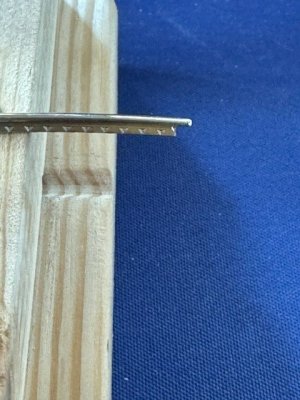
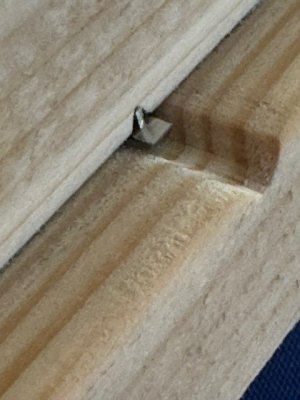
over the binding. The binding is installed before the frets, and leveled with the fretboard. This means the frets slots essentially terminate before the edge of the fretboard, and so the tangs are clipped off at the ends to fit. This takes more labor, but it's a far superior way to do it, because it leaves a wider playing area, and there are no nibs to wear away faster than the frets, exposing a raw fret end (seen this so many times).
Our ghost-tang frets follow the same methodology: the fret slots are cut with CNC and come up just short of the edge of the fretboard. The ends of the fret tangs are clipped to fit.
I've seen other places call this technique "channel binding". However, I prefer "ghost-tang" because it makes me envision a dead astronaut floating all alone in the cold depths of interstellar space, which is super creepy, but also kind of cool. Dude is boldly going where no one has gone before, while enjoying a delicious space-beverage.
It's very time-consuming, but also very delicious the play on.